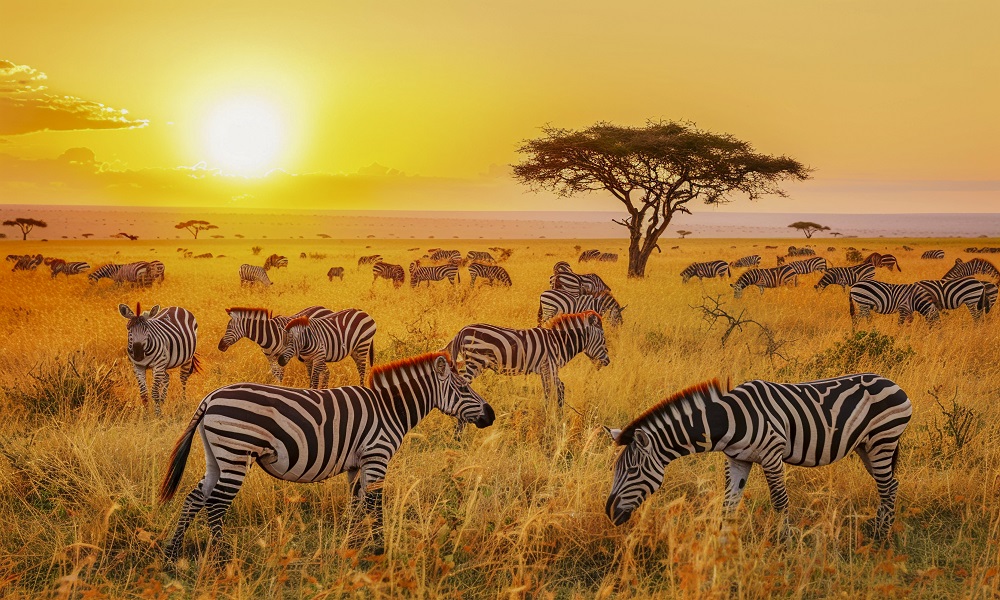
Wildlife tracking is an art and a science that demands keen observation, patience, and knowledge of animal behavior and the surroundings. Wildlife guides use evidence, instinct, and local knowledge to find and follow animals in their habitats. Regardless of whether you are a nature buff, photographer, or prospective guide, learning the skill of tracking will greatly improve your backcountry experience and help you appreciate the natural world more profoundly. Do you have a desire to see the wonderful nature as well as wild animals? If so, then a package tour to Tanzania is just for you.
Wildlife tracking is all about deciphering signs like footprints, dung, and calls. A skilled tracker will know to take into account important factors like habitat, daytime, recent weather, and the animal’s normal patterns. By combining these visual signals with an intimate knowledge of animal behavior, you greatly improve your chances of successful observation, while keeping disturbance to the animals themselves to a minimum. In this article, we’ll give you a list that enables you to track wildlife like a pro.
Examine the distinctive footprints of prevalent local species. Pay close attention to their size, shape, stride length, and the depth of the prints. These ideas can provide valuable awareness into the animal’s overall size, speed, and the direction in which it was traveling. Observing these subtle characteristics can deepen your understanding of the wildlife in your area and their behavior. Want to experience something fun yet crazy? Then, Tanzania safari packages are perfect for you.
Observing the habits of different animals can give one significant insight into their behavior. For example, several predators have crepuscular behavior, i.e., they are most active around dawn and dusk. These twilight hours when the world is bathed in soft shades of light prove to be perfect for hunting since the receding light provides opportunities and covers. Watching these seconds can uncover the delicate dance of nature as predators and their prey encounter their terrain in pursuit of food and refuge.
Be on the lookout for the sharp warning calls of birds, which can be an unmistakable warning of impending danger close by. Oftentimes, the minute rustling of leaves and branches in the undergrowth is more than it seems, as it can reveal the hidden secrets of shy wildlife. Take a deep breath for a moment, letting the earthy smells of the woods overwhelm you; those odors can reveal the evidence of animal activity, speaking with the soft voice of their recent visit to the colorful texture of nature. With the most affordable package tour in Tanzania, you can enjoy a wonderful holiday in nature.
Keep a precise field journal or take sharp photos of animal tracks and signs you find. Doing so not only sharpens your observational eye but also creates a richer concept of wildlife behaviors and patterns in the long run. Recording your experiences, you build a rich tapestry of knowledge enabling you to know and understand the subtle indications laid by nature.
Tracking wildlife as a professional guide demands curiosity, experience, and a gentle philosophy toward the outdoors. With experience and practice, you’ll develop the skills of reading the land, anticipating animal movement, and sharing thrilling experiences in the great outdoors. For research, photography, or simply enjoying the outdoors, becoming proficient in tracking makes your outdoor experiences richer and invites a greater appreciation for nature.