Embarking on a wildebeest migration journey is like witnessing a natural phenomenon unfold before your eyes. The Serengeti and Maasai Mara are home to this incredible event, offering breathtaking views and unforgettable wildlife encounters. Here’s a listicle highlighting these remarkable experiences you can expect on this thrilling adventure.
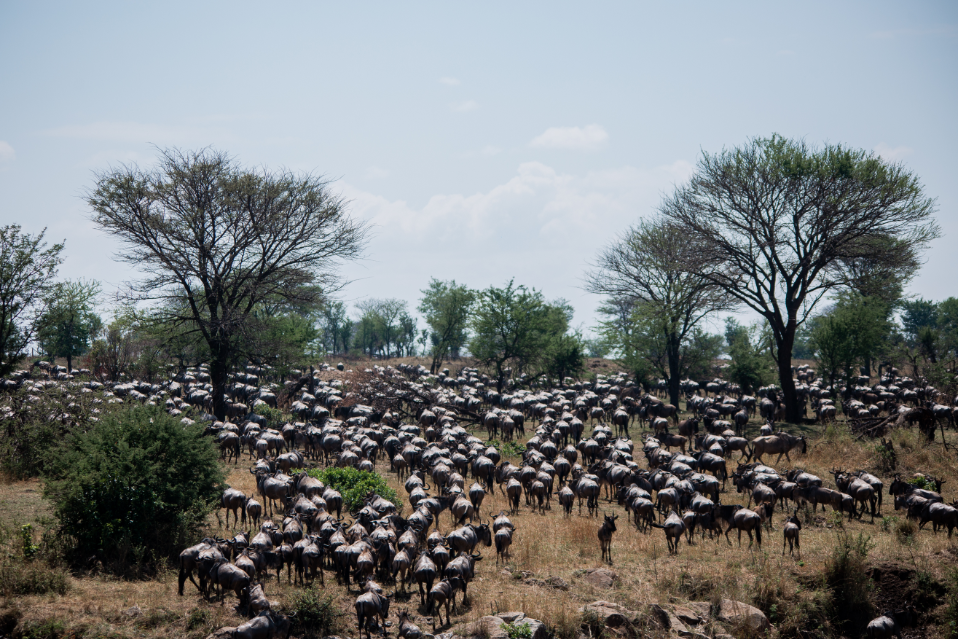
The mass movement of over a million wildebeest is a sight to behold. The sheer number of animals and their synchronized journey across vast plains is both mesmerizing and humbling. This incredibleWildebeest Migration begins in the southern Serengeti, with the wildebeest setting off on a journey that covers approximately 1,800 miles as they navigate through Tanzania and into Kenya. Along the way, their route is marked by constantly shifting landscapes, from verdant grasslands to dusty savannas, each scene telling its own story of resilience and survival. The harmonious coordination of these wild creatures as they traverse Africa’s iconic landscapes is a masterpiece of nature that captures the essence of wild beauty and the indomitable spirit of the animal kingdom.
The dramatic crossing of the Mara River is a thrilling spectacle. Wildebeests brave dangerous waters where crocodiles lurk, showcasing their resilience and determination. This part of their journey is fraught with peril, as timing and courage play crucial roles in a successful crossing. The anticipation builds as the wildebeest gather at the riverbank—a moment that demands not just strength, but also sheer will. As they plunge into the churning waters, the air is filled with splashes and bellows, the sense of urgency palpable in every leap and bound. It’s a testament to the enduring cycle of life in the wild, where survival is the ultimate goal and each crossing becomes a dramatic chapter in the epic story of Wildebeest Migration.
The migration attracts numerous predators like lions, leopards, and hyenas. Observing these majestic animals in their natural habitat offers a raw and exhilarating view of the food chain in action. The presence of predators adds an element of suspense and drama to the migration, as lurking danger always shadows the herds. This natural theater unfolds daily, with each predator using its unique strategies and skills honed over generations to feast on the vulnerable wildebeest. Lions, often in stealthy pursuit, strike with power and precision, while hyenas rely on their cunning and endurance. Leopards, on the other hand, are more solitary hunters, seizing the right moment from the shadowy thickets. Witnessing these interactions provides a genuine understanding of the savanna’s intricate balance and the relentless survival instincts of both prey and predator.
The endless plains of the Serengeti provide a stunning backdrop for the Wildebeest Migrationn. The landscape transformation from lush fields to dry patches is a captivating natural show. As the wildebeest journey across this iconic region, they encounter a multitude of environments—each one a testament to the diversity of life in the Serengeti. During the rainy season, the plains burst into a sea of green, with sprouting grass that nourishes the migratory herds. Yet, as the sun beats down and the rains no longer fall, the once-bountiful land transforms into a harsh wilderness where survival demands adaptation. This cyclical change mirrors the rhythm of life here, where animals and ecosystems are finely attuned to the patterns of nature. As the seasons roll onward, the transformation of the plains is a powerful reminder of the Serengeti’s ever-changing nature and the remarkable resilience that defines it.
Wildebeests’ movements are dictated by the rains, as they follow fresh grasslands. This shows nature’s intricate cycles and the adaptability of wildlife in sync with their environment. The annual Wildebeest Migration is guided by the need for sustenance, an orchestrated journey dictated by the rains that green the land with an abundance of grasses. As the seasons shift, so too do the movement patterns, reflecting a dynamic dance with nature that has persisted for millennia. This symbiotic relationship between the rains and wildlife exemplifies the interconnectedness of life in the wild. Each drop of rain is a lifeline, promising growth and renewal, critical for the survival of the migratory herds. As wildebeests move in response to nature’s call, they showcase their profound resilience and the instinctive wisdom embedded in their ancient journey.
Witnessing young calves keep pace with the herd is an endearing and hopeful aspect of the Wildebeest Migration. Their survival against odds underscores the resilience of the species. Calving season, occurring in the short grass plains of the southern Serengeti, is a crucial time for the herd. In a synchronized birthing period, thousands of calves are born, every new life representing hope and continuity for the wildebeest population. Within minutes of birth, these newborns must stand and begin to walk—a necessity for keeping pace with the moving herd and evading the ever-present predators. This remarkable phenomenon not only highlights the species’ instinct for survival but also emphasizes the importance of safety in numbers. As these young calves join the journey northwards, their endurance and adaptability become a testament to the tenacity of life on the savanna.
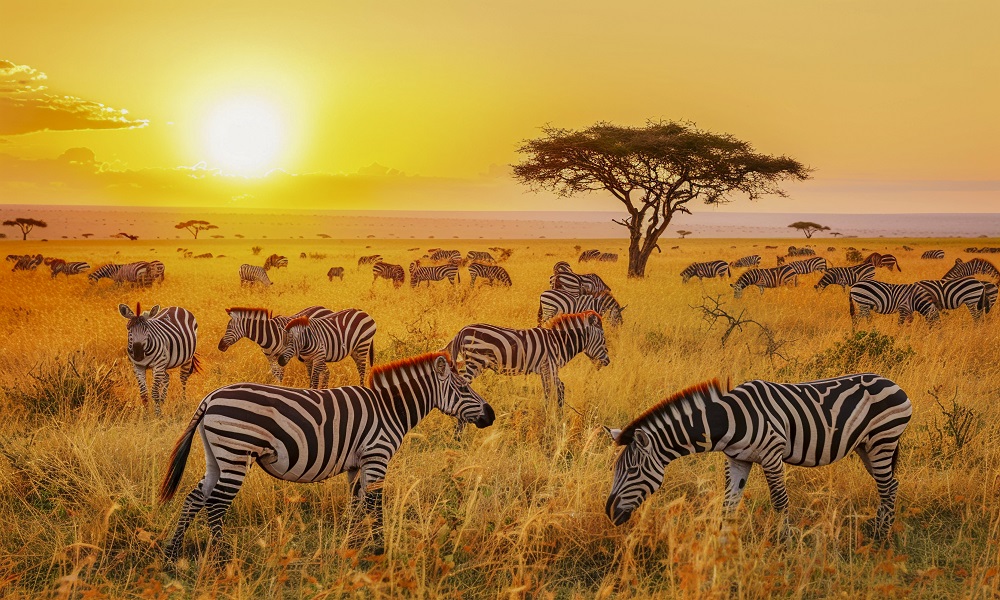
Sharing the migration path, zebras and gazelles play important roles. Their presence helps create a balanced ecosystem, each contributing to the survival of the other. Zebras, often leading the Wildebeest Migration line, graze on tougher grasses, enabling the wildebeest to access the more tender shoots below. This interplay not only maximizes the use of available resources but also fosters mutual protection against predators with their larger, combined numbers. Meanwhile, gazelles bring finesse to the journey. They tend to follow the wildebeest, feeding on different plants and swiftly navigating the terrain with ease. This collaborative dynamic showcases nature’s ability to harmonize diverse species in a cohesive system where each benefits synergically from the collective presence of the others.
The skies above the migration are teeming with birds. Raptors capitalize on the opportunities offered by the great movement, adding an aerial dynamic to the spectacle. Birds like vultures, eagles, and storks follow the herds, taking advantage of the abundance of food and the opportunities created by the upheaval on the ground. Their soaring flights and sharp eyesight make them key participants in the Wildebeest Migration narrative. Watching these birds swoop down and participate in this grand journey is like witnessing an intricate ballet in the skies, as each species performs its role with precision and grace. Not only do they offer a different dimension to the land-bound journey below, but they also highlight how interconnected the ecosystem is, as all forms of life share in the bounty and challenges of the natural world.
Apart from the wildlife, the journey offers an opportunity to delve into the rich culture of the Maasai people. Their traditions and lifestyle in harmony with nature enhance the uniqueness of the Wildebeest Migration experience. The Maasai have shared the land with the migrating herds for centuries, living a pastoral life that respects and thrives alongside this ancient migration path. Visitors can immerse themselves in Maasai traditions by participating in cultural tours, learning about their iconic beadwork, or experiencing their vibrant community rituals. This cultural exchange provides a deeper understanding of how indigenous knowledge and traditions contribute to wildlife conservation. As guardians of this ancestral land, the Maasai play an instrumental role in preserving its unique biodiversity, offering a profound perspective on the enduring bond between humans and the natural world around them.